5 Tips to Keep Your Plow Running During the Storm

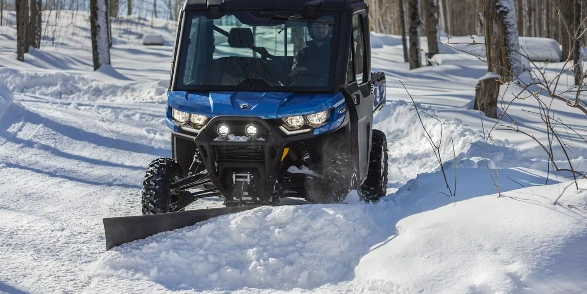
When the snow is piling up and the wind is howling, your ATV or UTV transforms from a toy into a vital tool. But a mid-storm mechanical failure doesn't just ruin your day—it leaves you stranded with a buried driveway.
Before the next "Big One" hits, follow these five pro tips to keep your plow moving until the last flake falls.
1. The "Battery Buffer" Rule
Cold temperatures combined with the constant use of an electric winch can drain your battery faster than the engine can recharge it.
-
The Tip: Keep your RPMs up while plowing, and if possible, hook your machine to a battery tender between clearing sessions.
-
Pro Tip: If your winch starts sounding "sluggish," take a 10-minute break with the engine running to let the stator top up the battery.
2. Guard Your Winch Rope (or Cable)
The most common mid-storm failure is a snapped winch line. Plowing involves hundreds of short, repetitive "up and down" movements that put immense stress on the first few inches of your cable.
-
The Tip: Inspect the first two feet of your line for fraying. If you use a steel cable, ensure it’s properly lubricated to prevent rusting and snapping.
-
The Upgrade: Consider switching to a synthetic plow rope—they are shorter, thicker, and designed specifically for the sharp angles of plowing.
3. Don't Let Your Blade Stick
Wet, heavy snow can stick to your plow blade, making it heavier and less efficient. This forces your machine to work twice as hard to push half as much.
-
The Tip: Coat your plow blade with a non-stick spray (silicone spray, or even a specialized plow wax). The snow will slide right off, allowing you to "throw" the snow further and keep your blade clean.
4. Mind the Wear Bar
The "Wear Bar" is the replaceable metal strip at the bottom of your plow. If it wears down too far, you’ll start grinding the actual frame of your plow—which is a much more expensive fix.
-
The Tip: Check your wear bar before the storm. If it’s thinner than a quarter-inch, it’s time for a flip or a replacement.
-
Adjustment: Ensure your skid shoes are set correctly for your surface. (Lower for pavement, higher for gravel to avoid throwing rocks!)
5. Grease Every Pivot Point
Cold, wet snow is a recipe for rust and seized parts. Your plow has several pivot points that allow it to angle and trip.
-
The Tip: Hit every moving part and spring with a shot of heavy-duty grease or a water-displacing lubricant (like WD-40 Specialist) before you head out. This prevents "freeze-up" where the plow gets stuck in one position.
Emergency Parts & Support Snapped a cable? Worn out your wear bar? We stock plow parts for all major brands. If the storm got the better of your machine, give our service team a call—we prioritize plow repairs during major snow events to get you back to work.